
Cross-Referencing and Synthesis: Weaving Together the Bible’s Unified Voice
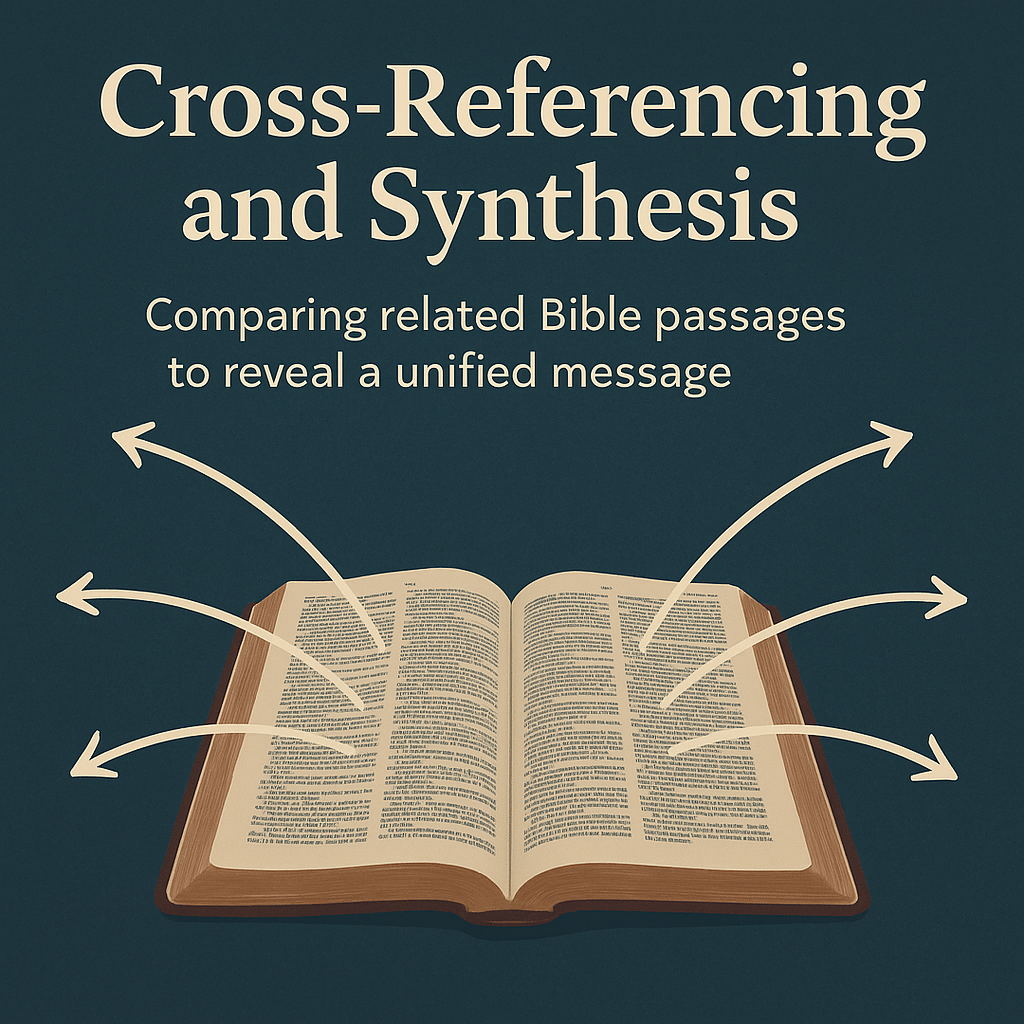
Cross-referencing and synthesis involves comparing related passages across the Bible to reveal its unified message and deeper theological connections. This method helps believers see how Scripture interprets Scripture, bringing clarity and cohesion to their study.
Dan Burnfield
8/24/20254 min read
Introduction
The Bible, though composed of 66 books written by more than 40 authors over 1,500 years, presents a single, unified story of God’s redemptive work in history. Yet, for many readers, connecting the dots between passages—especially those scattered across different genres and centuries—can feel daunting. How do we ensure our understanding of a doctrine or topic is faithful to the whole counsel of God, not just a handful of favorite verses? The answer lies in the powerful method of cross-referencing and synthesis.
What Is Cross-Referencing and Synthesis?
Purpose:
Cross-referencing is the practice of comparing Scripture with Scripture—identifying related passages, themes, or teachings throughout the Bible. Synthesis is the process of bringing these insights together, forming a unified, coherent understanding of a doctrine or topic.
This approach is essential for sound doctrine formation, as “no theological teaching can be considered truly biblical unless it summarizes and integrates all that Scripture teaches on that subject”. It is a safeguard against proof-texting, imbalance, and doctrinal error.
Why Is This Method So Important?
Scripture Interprets Scripture
The Bible contains within itself the principles necessary for its own interpretation. Clearer passages help explain more difficult ones, and the overarching unity of the Bible guides the reader in understanding individual parts.Guards Against Proof-Texting and Imbalance
Doctrinal error often arises when partial truths are isolated from the rest of Scripture. The interpreter must allow Scripture to interpret Scripture, carefully comparing and correlating passages until a full and consistent picture emerges..Reveals the Grand Storyline
Cross-referencing helps us see how the Old and New Testaments fit together, how promises are fulfilled, and how doctrines develop across redemptive history.
The Process: How to Cross-Reference and Synthesize
1. Identify the Topic or Doctrine
Begin by selecting a doctrine or theme you want to understand more deeply—such as salvation, prayer, faith, or the nature of God.
2. Gather Related Passages Using Cross-References
Use the cross-references in your Bible’s margins, concordances, or digital tools to find passages that address the same topic, use similar language, or develop related ideas. For example, a study on “justification by faith” would include Romans 3:28, Galatians 2:16, James 2:24, and Genesis 15:6.
3. Compare Each Passage in Its Context
Read each passage carefully in its immediate and broader context. Ask:
Who is speaking, and to whom?
What is the historical and literary context?
How does this passage fit into the flow of the book and the grand narrative of Scripture?
4. Synthesize the Teaching
After gathering and comparing the passages, bring together their insights to form a coherent summary. Let the clear passages explain the less clear, and seek harmony rather than contradiction. For example, Paul’s teaching on justification by faith (Romans 3:28) is harmonized with James’s emphasis on faith that works (James 2:24) by recognizing the different issues each was addressing.
5. Check for Balance and Emphasis
Ensure that your synthesis reflects the balance and weight of Scripture, not just a selection of favorite verses. Avoid overemphasizing one aspect of a doctrine while neglecting others.
Caution: Always Check the Context
One of the greatest dangers in cross-referencing is misapplying passages by ignoring their context. As outlined in How to Read and Study the Bible, always ask:
What is the historical, literary, and theological context?
What did the original author intend to communicate?
Are there parallel passages that shed more light on this?
Misusing cross-references can lead to doctrinal error, confusion, or even heresy. For example, using isolated verses to support prosperity teaching, while ignoring the broader biblical witness about suffering and self-denial, distorts the message of Scripture.
A Practical Example: Justification by Faith
Suppose you want to understand the doctrine of justification by faith:
Identify the Topic: Justification by faith.
Gather Cross-References: Romans 3:28, Galatians 2:16, James 2:24, Genesis 15:6.
Compare in Context:
Romans 3:28 – Paul argues that we are justified by faith apart from works of the law.
James 2:24 – James says a person is justified by works and not by faith alone.
Genesis 15:6 – Abraham believed God, and it was credited to him as righteousness.
Galatians 2:16 – A person is not justified by works of the law but through faith in Jesus Christ.
Synthesize:
Paul addresses legalism—salvation cannot be earned by works.
James addresses dead orthodoxy—true faith produces good works.
Both agree: genuine faith is living and active, resulting in obedience.
Check for Balance:
Don’t pit Paul against James; let the whole counsel of God speak.
Tools for Effective Cross-Referencing
Study Bibles: Many Bibles include cross-references in the margins or footnotes.
Concordances: Find every occurrence of a word or theme.
Digital Tools: BibleGateway, Blue Letter Bible, and Logos make cross-referencing fast and comprehensive.
Topical Bibles: Organize verses by subject for easy comparison.
Synthesis: The Goal of Cross-Referencing
Synthesis is more than collecting verses—it’s weaving together the threads of Scripture into a tapestry that reveals God’s unified message. This process honors the Bible’s divine authorship, as “all Scripture is God-breathed and is useful for teaching, rebuking, correcting and training in righteousness” (2 Timothy 3:16–17).
Key Principles to Remember
Let Scripture Interpret Scripture: Use the clear to explain the unclear.
Seek the Whole Counsel of God: Don’t build doctrine on isolated verses.
Always Check Context: Avoid misapplying passages by understanding their setting and purpose.
Aim for Unity and Balance: Synthesize a doctrine that reflects the full voice of God’s Word.
Conclusion: Discovering the Bible’s Harmony
Cross-referencing and synthesis are essential for anyone who wants to move beyond surface reading and discover the Bible’s unified, life-changing message. By carefully comparing Scripture with Scripture, checking every context, and seeking a balanced synthesis, you will be equipped to discern truth from error, grow in spiritual maturity, and live out your faith with clarity and confidence.
As you study, remember: “The sum of your word is truth, and every one of your righteous rules endures forever” (Psalm 119:160). Let the whole counsel of God shape your beliefs, your life, and your witness to the world.